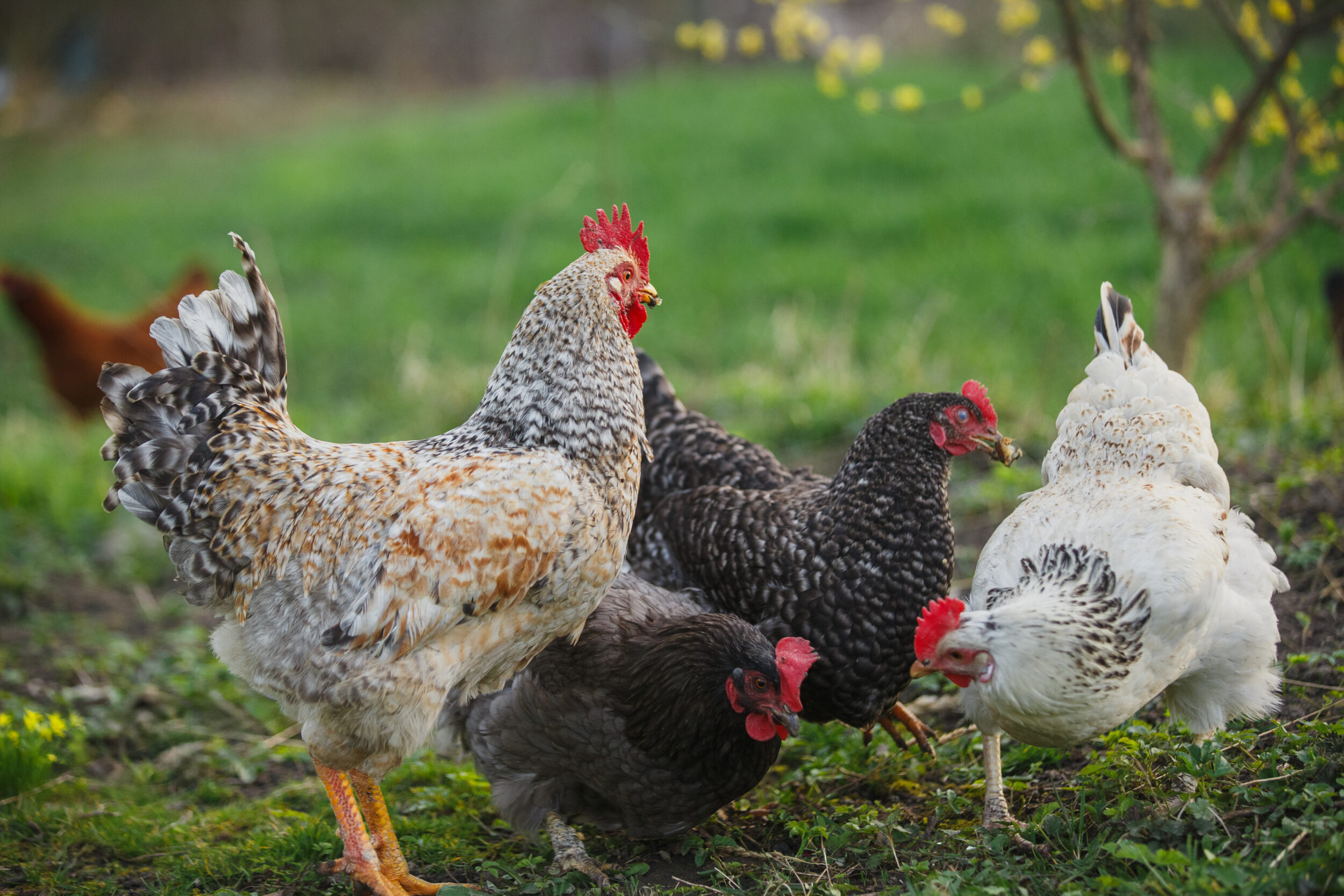
Research into the gut microbiota has radically transformed our understanding of the role of bacteria in animal health. In chickens, these microorganisms do not merely aid digestion: they also influence the immune system, disease resistance and production performance. However, the probiotics currently in use have several limitations: they must be administered continuously and are often derived from formulations designed for other animal species, or even for humans. For Marcio Costa, an associate professor in the Faculty of Veterinary Medicine at the Université de Montréal, the challenge therefore lies in identifying bacteria specifically suited to chickens. The aim is to create a stable bacterial ecosystem capable of sustainably improving gut health without the risks associated with microbiota transplants, such as the transmission of pathogens or certain antibiotic-resistant strains.
To carry out this research, the team used samples from organic hens to isolate hundreds of intestinal bacteria in an anaerobic chamber. This equipment replicates the oxygen-free conditions of the gut and enables the cultivation of species that are particularly difficult to maintain in the laboratory. Over a hundred isolates were characterised, and around thirty species deemed promising were selected. The researchers then tested several strains capable of inhibiting pathogenic bacteria such as Clostridium perfringens. When administered to newly hatched chicks, certain bacteria demonstrated a lasting ability to colonize the caecum – the first part of the large intestine –, a major challenge for conventional probiotics. The results also show that these bacteria profoundly alter the composition of the gut microbiota.
This work paves the way for a new generation of more targeted and longer-lasting avian probiotics. Ultimately, these bacteria could serve as biological platforms capable of stimulating local immunity or even delivering vaccine molecules. The researchers now wish to verify whether the changes observed in the microbiota actually improve growth, resistance to infection and overall bird health. Beyond the poultry sector, this research also contributes to advancing fundamental knowledge on the microbiota and its interactions with the host organism, a rapidly expanding field in human and veterinary medicine.
Références
Franco, L., Boulianne, M., Parent, E., Barjesteh, N., et Costa, M. C. (2023). Colonization of the gastrointestinal tract of chicks with different bacterial microbiota profiles. Animals, 13(16), 2633. https://doi.org/10.3390/ani13162633
Kern, L., Tofield, A., Frame, J., et Elinav, E. (2026). Next-generation probiotics: An outlook into current applications and future developments. Nature Reviews Microbiology. Prépublication en ligne. https://doi.org/10.1038/s41579-026-01311-0

A high-realism simulator for safe wheelchair propulsion

Les petites municipalités plus vertes qu’on ne le croit