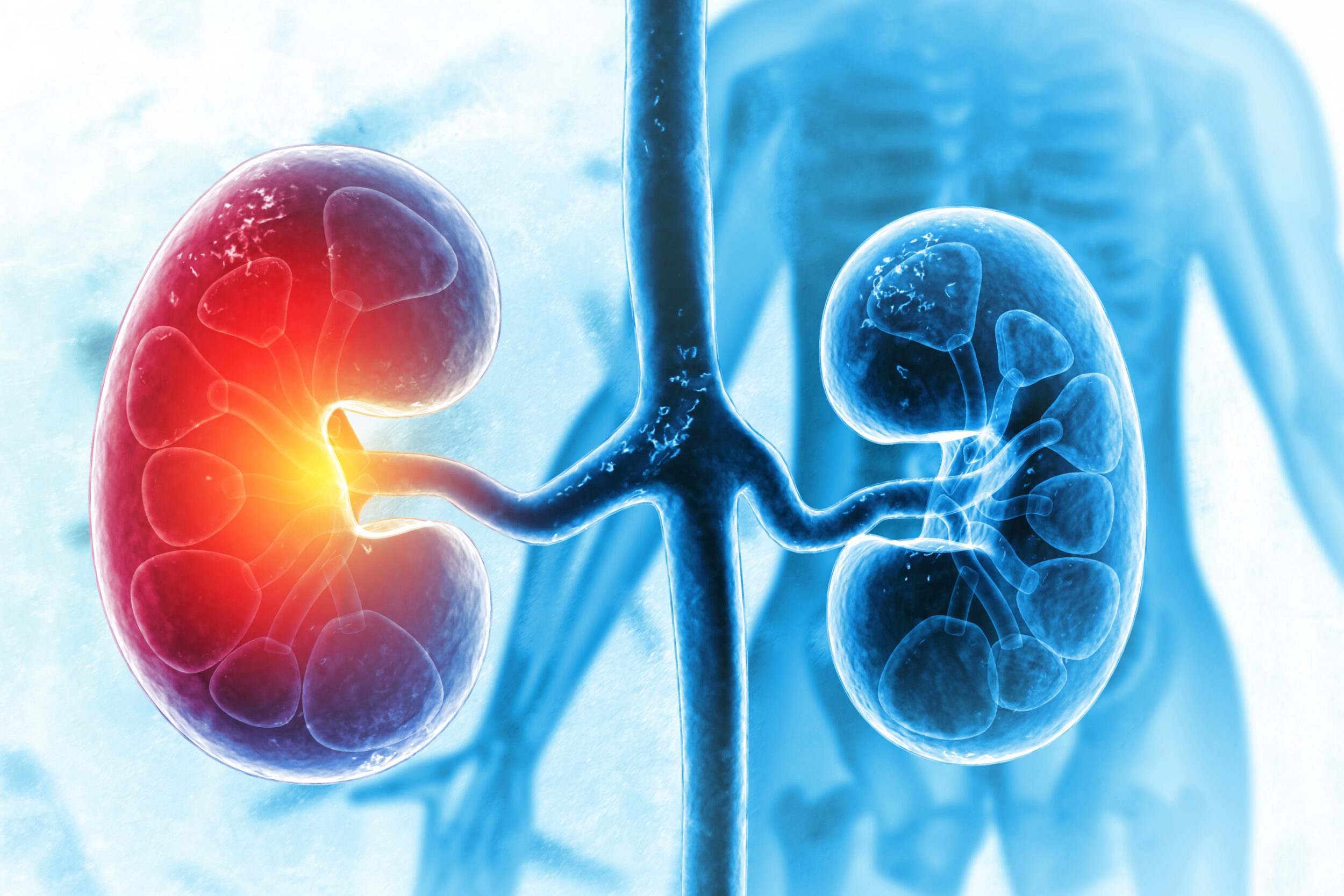
Kidney transplantation remains the treatment of choice for people with end-stage renal disease, but this surgery relies on complex clinical decisions with serious consequences. Against a backdrop of organ shortages and an aging population of donors and transplant candidates, kidney offers often come from donors with characteristics associated with suboptimal graft longevity. Although many candidates may prefer this type of offer to dialysis, it is sometimes difficult to determine whether it is better to accept an offer with reduced longevity potential or to decline it in the hope of receiving a better offer within a reasonable timeframe. These decisions must be made quickly, often based on incomplete information. To address these challenges, Dr. Héloïse Cardinal [https://www.chumontreal.qc.ca/crchum/researchers/heloise-cardinal], at the CHUM Research Centre, has focused part of her research on developing AI-based decision-support tools to better predict clinical outcomes and support clinicians and patients.
To achieve this, her team analyzed extensive U.S. databases on kidney transplantation and employed advanced machine learning methods to train algorithms capable of generating graft and patient survival curves based on the combined characteristics of the donor and recipient. These models make it possible, in particular, to estimate the probability that a kidney will still be functioning five or ten years after transplantation if the offer is accepted. At the same time, statistical models were developed using data from Transplant Québec to predict the waiting time before the next offer in the event of a refusal and the average quality of future offers. Together, these approaches enable a structured comparison of possible scenarios, which is difficult to assess intuitively without the support of clinical decision-making tools.
The implications of this research are promising. In the short term, the models will be validated using Quebec data and then integrated into a free web interface for transplant teams. In the longer term, federated learning will enable the algorithms to be trained using data from multiple centers without the data leaving their secure environments, thereby strengthening the protection of personal information. By making these tools accessible and transparent, Dr. Cardinal’s research contributes to a more personalized, better-informed, and more patient-centered approach to transplant medicine.
References
- Jalbert, J., Weller, J.-N., Boivin, P.-L., Lavigne, S., Taobane, M., Pieper, M., Lodi, A., and Cardinal, H. (2023). Predicting time to and average quality of future offers for kidney transplant candidates declining a current deceased donor kidney offer: A retrospective cohort study. Canadian Journal of Kidney Health and Disease, vol. 10, pp. 1–11. https://doi.org/10.1177/20543581231177844
- Sylvain, T., Luck, M., Cohen, J. P., Cardinal, H., Lodi, A., & Bengio, Y. (2021). Exploring the Wasserstein metric for survival analysis. Proceedings of Machine Learning Research, 146, 1–13.
- Jalbert, J., Cardinal, H., Lodi, A., Weller, J.-N., & Tocco, H.-M. (2022, juin). Predicting waiting time and quality of kidney offers for kidney transplant candidates [Communication]. 20th International Conference on Artificial
Les attentats donnent du fil à retordre aux journalistes
Reinventing anti-fouling paint to support marine biodiversity