
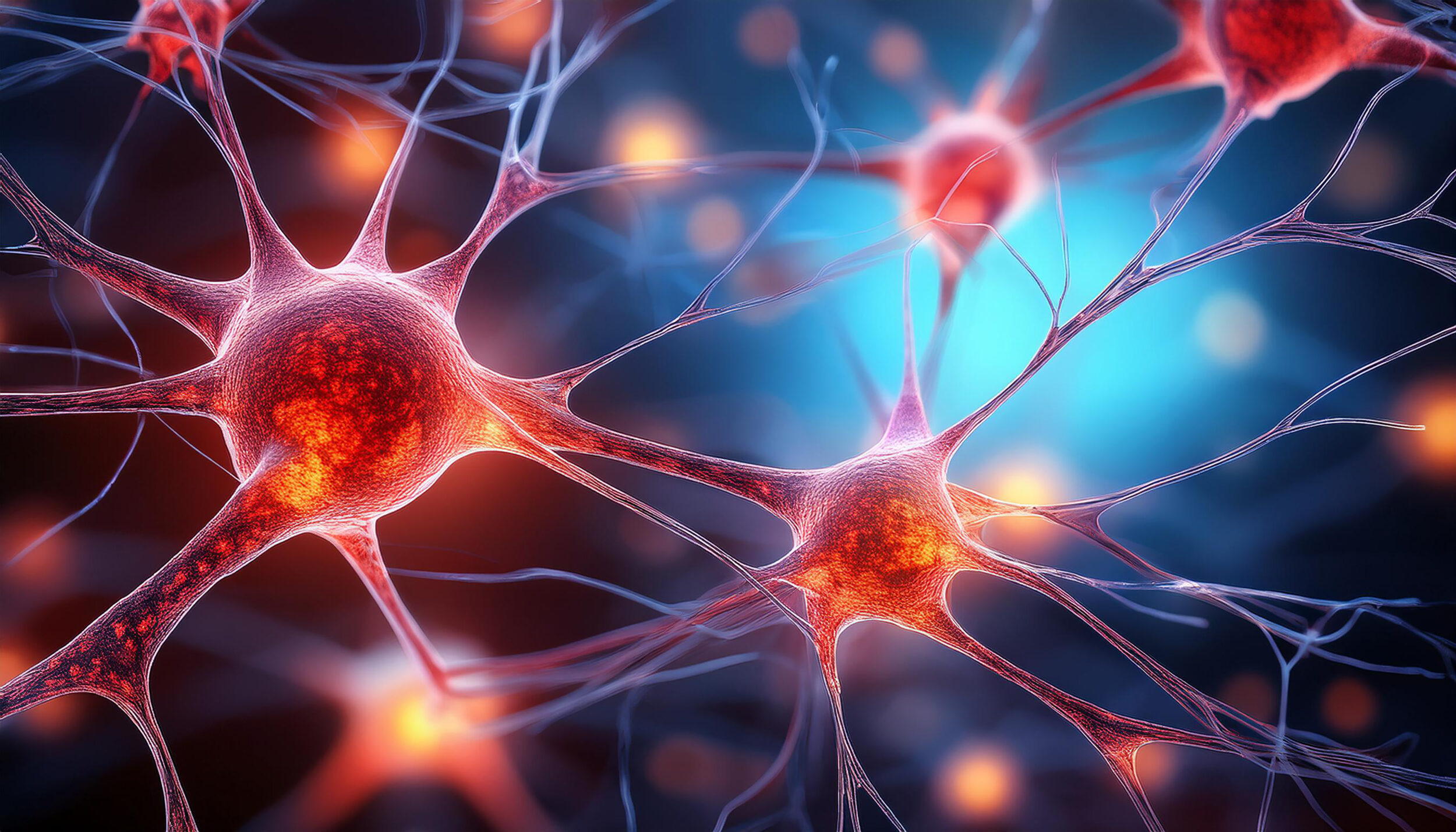
Imagine being able to activate or inhibit specific groups of neurons in the brain simply by turning on a light. This is the appeal of optogenetics, a technology that is revolutionizing the study of the brain and involves genetically modifying cells so that they express light-sensitive proteins. However, developing the genetic tools used for this purpose remains complex and requires highly specialized expertise.
To address this need, the CERVO Brain Research Center hosts the Canadian Optogenetics and Vectorology Foundry (COVF), a national infrastructure led by Marie-Eve Paquet and Yves De Koninck of Université Laval, which welcomes numerous researchers from the Montreal Neurological Institute- Hospital, affiliated with McGill University, and the Université de Montréal. This unique, state-of-the-art facility is entirely dedicated to understanding the brain, as well as to the development of genetic and optical tools.
The COVF creates innovative tools using automated facilities capable of manufacturing and testing biological systems and microbial strains on a large scale. These tools are then distributed to numerous collaborators for study and validation before being made available to the broader scientific community. The COVF also specializes in transferring genetic discoveries from one animal species to another—an essential step in accelerating the transition to clinical applications.
By centralizing expertise, infrastructure, and specialized resources in one location, the COVF positions itself at the heart of global research on light-activated genetic tools. Beyond its contribution to basic research, it helps lay the groundwork for the clinical applications of optogenetics. In doing so, it strengthens Quebec’s position in the field of international research on the brain and the treatment of neurological and psychiatric disorders.
* This text was translated using an artificial intelligence tool and edited by a staff member.

The increasingly complicated private lives of diplomats

Protecting memory in a tired brain with 20 minutes of exercise
